Jun 03, 2026
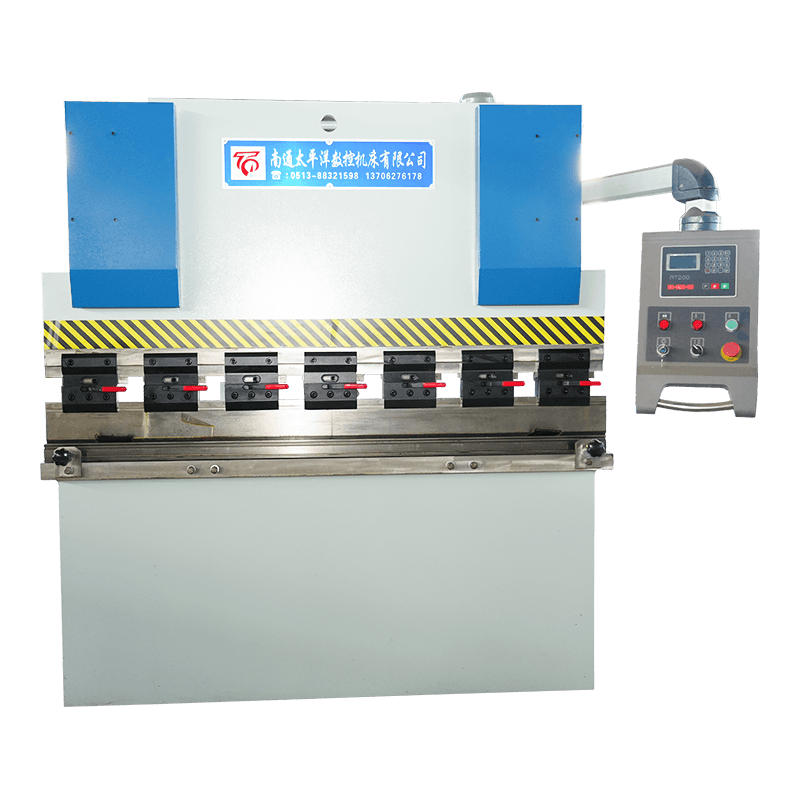
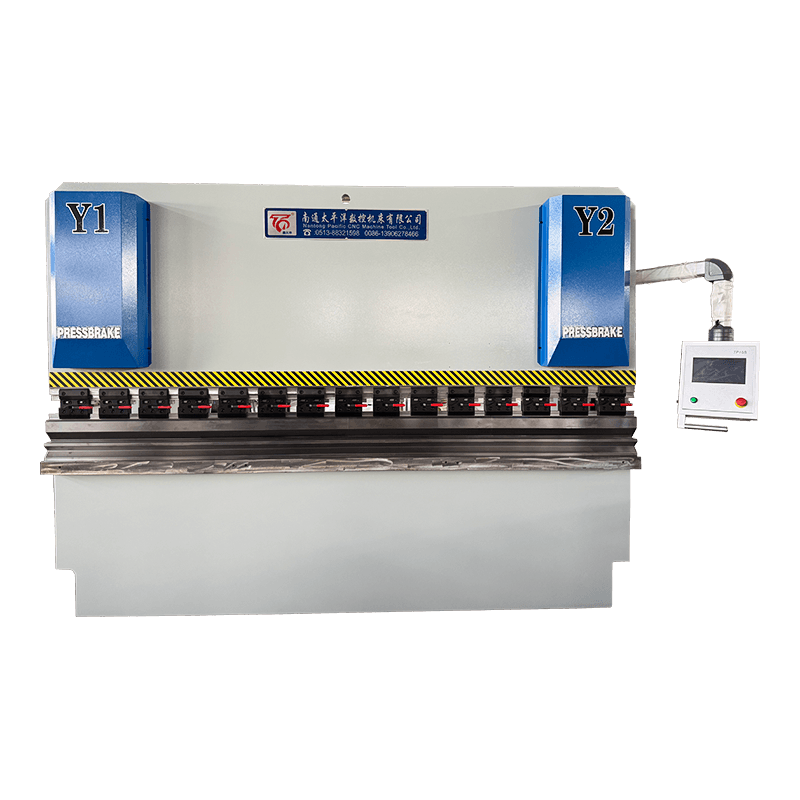
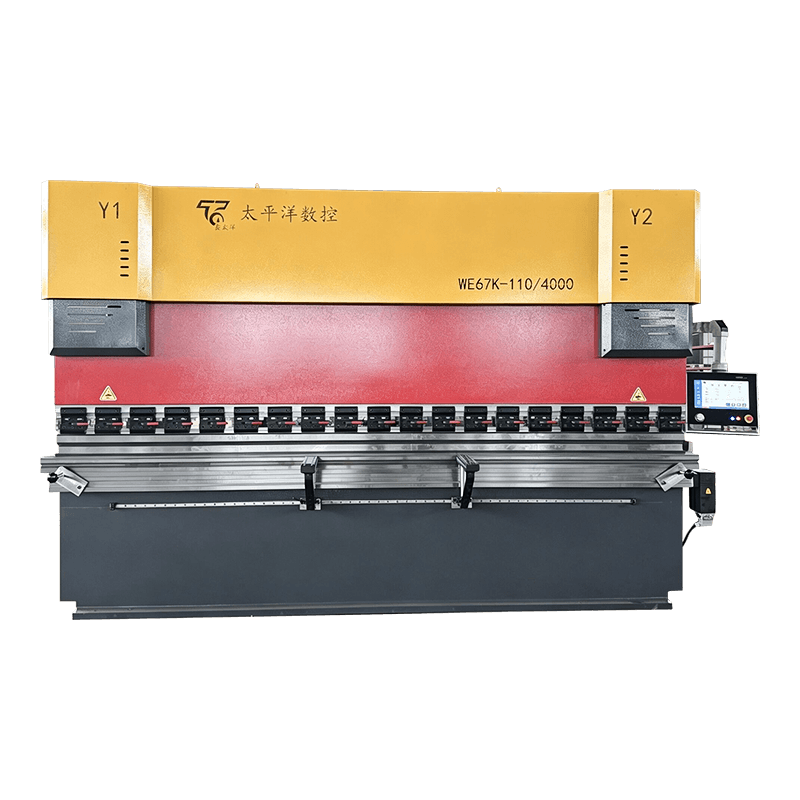
A hydraulic bending machine — commonly known as a hydraulic press brake — is an industrial metal forming machine that uses hydraulic pressure to bend sheet metal and plate into precise angles and shapes. These machines are the backbone of modern metal fabrication, capable of handling mild steel, stainless steel, aluminum, and other alloys with repeatable accuracy. Whether you are evaluating a CNC press brake machine for a high-volume production line or a manual unit for a job shop, understanding the core technology helps you make a confident purchase decision.
In short: a hydraulic press brake applies controlled force through a hydraulic ram to press a metal workpiece against a die set, creating a precise bend. Modern CNC hydraulic press brake machines for sheet metal add computer-controlled back gauges, real-time angle measurement, and automated tool positioning — dramatically reducing setup time and scrap rates compared to older mechanical designs.
Контент
The operating principle of a hydraulic bending machine centers on Pascal's Law: pressure applied to a confined fluid transmits equally in all directions. Two synchronized hydraulic cylinders — one on each side of the ram — receive pressurized oil from a hydraulic power unit (HPU), producing downward force on the upper beam (punch). The workpiece rests on the lower beam (die), and the punch descends at a controlled speed and depth to form the desired bend angle.
Three distinct bending modes suit different accuracy and tonnage requirements. Air bending is the most common method today — the punch does not fully contact the die, and the final angle depends on penetration depth. It requires only 25–33% of the tonnage needed for coining and allows one die set to produce multiple angles. Bottom bending presses the workpiece firmly into the die for more consistent angles across variable material, requiring roughly 70% of coining tonnage. Coining applies extreme force (100% capacity) to eliminate springback entirely, producing angles accurate to ±0.25° — ideal for aerospace and medical-device components.
Air bending dominates modern shops because it demands only 30% of maximum machine tonnage, greatly extending tool life and reducing energy consumption. Bottom bending and coining trade increased force for tighter angular tolerances — coining is especially valuable in aerospace where ±0.25° repeatability is non-negotiable. Selecting the correct bending mode is therefore one of the most consequential decisions in press brake process planning.
A modern High Precision CNC Press Brake typically runs a dedicated press brake CNC controller (such as Delem DA-66T, ESA S630, or equivalent) with a graphical 3D bend simulation, automatic tonnage calculation, and offline programming capability via DXF import. The controller communicates with servo-proportional hydraulic valves at update rates of 1–4 kHz, enabling closed-loop position control with sub-millimeter accuracy. Advanced models incorporate real-time angle measurement sensors that compensate for material springback automatically — a feature that can reduce first-part scrap rates by more than 60% according to industry surveys.
Choosing between a hydraulic press brake machine, an electro-hydraulic servo (EHS) machine, an all-electric press brake, or a mechanical press brake involves trade-offs in energy efficiency, tonnage range, precision, maintenance cost, and upfront investment. The table below summarizes the most relevant decision criteria.
| Criterion | Hydraulic Press Brake | Electro-Hydraulic Servo | All-Electric | Mechanical |
|---|---|---|---|---|
| Tonnage Range | 40 – 4,000 t | 40 – 600 t | 20 – 150 t | 50 – 400 t |
| Angular Accuracy | ±0.3° – ±0.5° | ±0.2° – ±0.3° | ±0.1° – ±0.2° | ±0.5° – ±1.0° |
| Energy Use | Moderate | Low–Moderate | Low (–30–50%) | High |
| Maintenance Cost | Medium | Medium–Low | Low | High |
| Heavy-Gauge Suitability | Excellent | Good | Limited | Good |
| Noise Level | 65–78 dB | 60–72 dB | 55–65 dB | 75–90 dB |
The radar chart illustrates how hydraulic press brakes lead significantly in tonnage range and material versatility, making them the preferred choice for heavy-duty industrial fabrication where thick plate or high-strength steel is common. All-electric machines excel in energy efficiency and maintenance-friendliness but are constrained to lighter tonnage applications. For most industrial metal fabrication press brake environments, the hydraulic platform offers the broadest capability envelope.
The heavy duty hydraulic press brake machine segment remains dominant for structural steel, wind-tower components, and shipbuilding applications where single-bend tonnages can exceed 1,000 tons. All-electric machines are gaining ground in electronics enclosure and automotive trim applications where precision and cleanliness matter more than raw force. For most general-purpose job shops, a CNC hydraulic press brake in the 80–320 t range represents the most practical balance of capability, cost, and longevity.
The automatic hydraulic bending machine is one of the most universally applied machine tools in manufacturing. Its flexibility — the same machine can bend a 0.5 mm stainless sheet for an appliance housing and a 25 mm structural plate for a crane boom — makes it indispensable across a wide spectrum of industries. Below are the primary application sectors, ranked by usage volume.
Sheet metal fabrication and HVAC ducting together represent the single largest user base for hydraulic press brakes, driven by the enormous volume of enclosures, brackets, ducts, and frames manufactured daily. Construction and automotive sectors follow closely, reflecting the machine's ability to handle both thin-gauge precision parts and heavy structural plate. Even industries such as aerospace, which constitute a smaller share of units, rely heavily on high precision CNC press brakes for safety-critical forming operations.
In sheet metal fabrication shops, a CNC hydraulic press brake machine for sheet metal typically handles material thicknesses from 0.8 mm to 12 mm in mild steel, stainless, and aluminum. HVAC duct manufacturers rely on press brakes for flanges, angles, and custom profiles, often programming hundreds of part variants in a single shift. Quick-change tooling systems reduce die changeover to under 3 minutes, a critical feature in high-mix, low-volume environments.
Heavy-gauge structural applications — beams, columns, base plates, crane components — demand machines in the 400–4,000 t range with bending lengths up to 12 meters. A heavy duty hydraulic press brake machine in this category typically features a reinforced welded steel frame, large-bore cylinders, and a crowning system (mechanical wedge or hydraulic) to compensate for beam deflection under load. Tolerances in these applications are less demanding than precision sheet work, but the sheer material volume and repetitive nature favor robustly built machines with long service life.
Automotive tier-1 and tier-2 suppliers use automatic hydraulic bending machines integrated with robotic part handling for high-volume production of door sills, chassis rails, brackets, and reinforcements. Cycle times of under 6 seconds per bend are achievable with servo back gauges and automatic tool changing. High-strength advanced steels (AHSS) with yield strengths above 800 MPa are increasingly common, requiring machines with enhanced stiffness and springback-compensation algorithms.
Electrical switchgear manufacturers and enclosure fabricators demand high repeatability in thin-gauge stainless (1–3 mm), tight positional accuracy for knock-outs and mounting holes to align correctly, and burr-free bends that preserve surface finish. CNC press brakes with active angle measurement and automatic crowning ensure that a 2,500 mm long panel remains flat within ±0.5 mm across its full length — a specification that manual machines cannot consistently meet.
Selecting a press brake machine for your facility involves more than matching a tonnage number to a material thickness chart. The right machine must align with your production mix, floor space, operator skill level, and 10-year capacity plan. Below is a structured framework used by experienced procurement teams when evaluating a hydraulic press brake supplier or CNC press brake factory.
The industry-standard formula for air bending tonnage per meter of bending length is: T/m = (1.65 × σ × t²) / V, where σ is tensile strength (N/mm²), t is material thickness (mm), and V is die opening (mm). For example, bending 6 mm mild steel (σ = 450 N/mm²) with a 50 mm V-opening requires approximately 535 kN/m (~53.5 t/m). Always add a 20–25% safety margin. A 3-meter bending length with this material therefore needs at minimum a 200-ton hydraulic press brake.
Standard bending lengths range from 1,000 mm (desktop-style) to 12,000 mm (tandem configurations). Choose a machine whose bending length is at least 50 mm longer than your longest planned workpiece to allow for tool clamping space at each end. Working stroke affects the maximum flange height you can form without interference; typical strokes are 150–300 mm, with heavy-duty machines offering 400 mm or more.
Entry-level CNC bending machines offer Y1/Y2 (ram position) + X (back gauge depth) as a 3-axis configuration, suitable for straightforward bending programs. Mid-range machines add R (back gauge height), Z1/Z2 (back gauge lateral offset), and V (crowning) for a 6-axis setup that handles complex multi-bend profiles. High-end configurations include automated tool change (ATC), laser safety system, and an integrated offline programming station. Match the axis count to your part complexity, not to the headline spec sheet.
A press brake manufacturer with strong after-sales coverage protects your uptime. Key questions include: Is spare parts stock held locally or only at the factory? What is the guaranteed response time for a field technician? Is remote diagnostics (via controller modem or VPN) available? Does the supplier offer a training program for CNC programming and hydraulic maintenance? Nantong Pacific CNC Machine Tool Co., Ltd — a recognized hydraulic bending machine supplier — maintains service branches across Beijing, Tianjin, Shanghai, Guangzhou, Chengdu, and other major Chinese industrial centers, supported by an engineering team with decades of application expertise.
Tonnage requirements span an enormous range — from 80 tons for light HVAC sheet work up to 2,000 tons or more for shipbuilding plate. This variance underscores why a one-size-fits-all approach to press brake purchasing rarely serves buyers well. Buyers in the structural steel and shipbuilding segments should pay particular attention to machine frame rigidity and bed crowning capability, as these factors directly affect forming accuracy on long, heavy workpieces. Consulting directly with a CNC press brake factory engineering team to validate tonnage calculations for your specific material grades is highly recommended.
The line chart demonstrates a clear and consistent correlation between CNC axis count and setup time reduction relative to manual press brakes. Moving from a 2-axis to a 6-axis CNC bending machine delivers roughly four times the setup time savings, which translates directly into more productive hours per shift. For high-mix production environments where tooling changes and part reprogramming occur multiple times per day, this productivity differential makes a compelling business case for investing in a higher-specification automatic hydraulic bending machine from the outset.
Proper maintenance of a hydraulic press brake machine protects both the capital investment and personnel safety. The most common causes of unplanned downtime are hydraulic oil contamination, seal wear, and electrical connector corrosion — all of which are preventable with a structured PM (preventive maintenance) schedule.
Press brakes are among the industrial machines most associated with hand and finger injuries. Modern machines mitigate this risk through laser guarding systems (e.g., AOPD — Active Opto-electronic Protective Device) that stop the ram within 10 milliseconds of detecting an obstruction in the hazard zone. Operators must never reach under a moving punch, must wear appropriate PPE (cut-resistant gloves, safety glasses, steel-toed footwear), and must use back gauge stops and part supports rather than hand-steadying long workpieces. Lockout/tagout (LOTO) procedures must be followed during all tooling changes and maintenance.
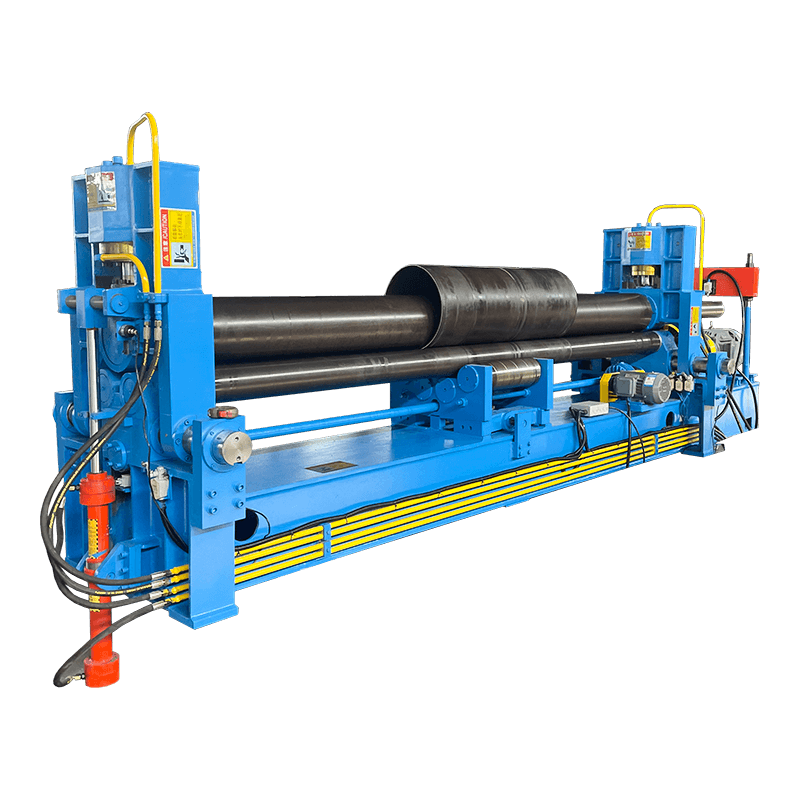
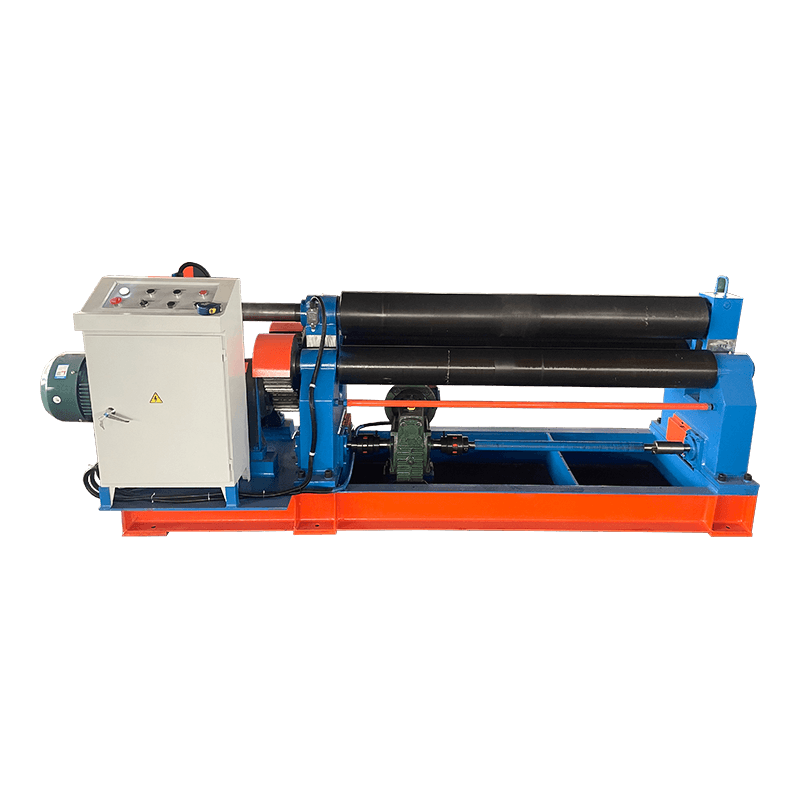
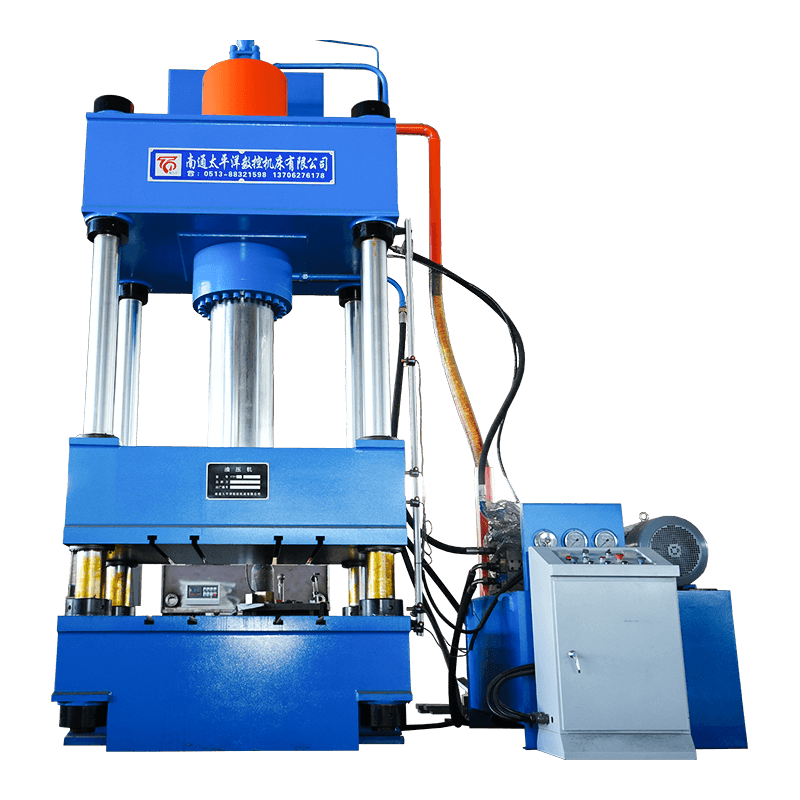
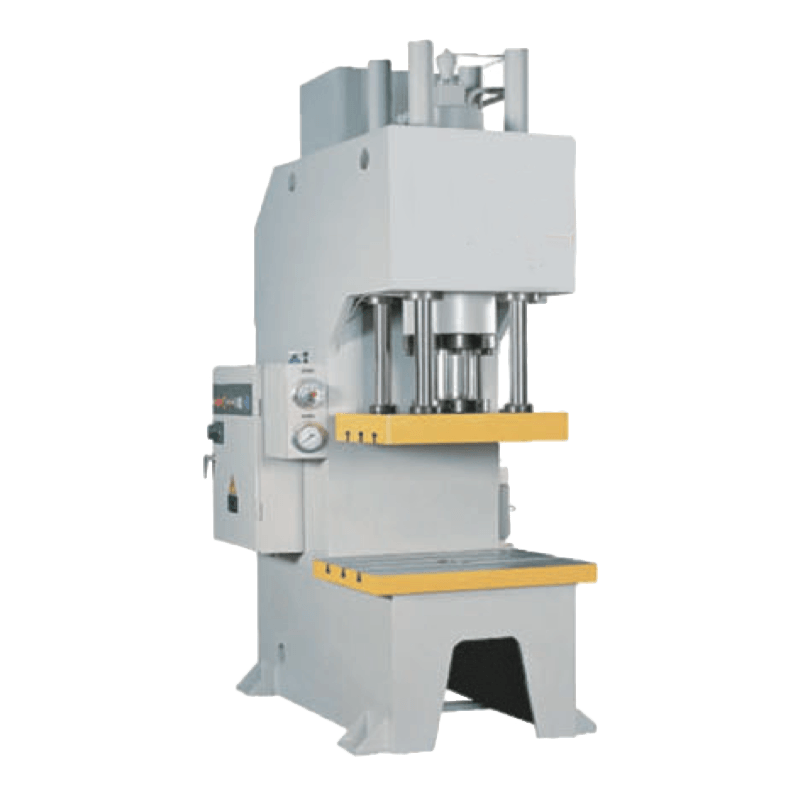
Nantong Pacific CNC Machine Tool Co., Ltd is a key enterprise of China's national machinery industry, situated in the Haian Economic and Technological Development Zone — a strategically located hub that enables efficient logistics and direct communication between the company and its global customer base. As a recognized hydraulic bending machine supplier and professional CNC press brake factory, Pacific specializes in shearing machines, bending machines, rolling machines, hydraulic presses, punching machines, and related industrial metal fabrication equipment.
The company covers more than 20,000 square meters of production and R&D facilities, staffed by a team of engineers and technicians with deep expertise in forging machine tool design. Products serve a broad range of sectors including light industry, aviation, shipbuilding, metallurgy, instrumentation, electrical appliances, stainless steel manufacturing, and construction. Pacific's equipment is exported to Southeast Asia, Europe, the United States, and the Middle East, supported by a nationwide service network spanning Beijing, Tianjin, Shenyang, Shandong, Zhejiang, Guangzhou, Shanghai, Hangzhou, Chengdu, Xi'an, and Jiangsu.
Pacific's engineering capability covers both standard series products and custom non-standard equipment — an important distinction for customers with unique forming requirements. From the initial inquiry through commissioning, operator training, and long-term after-sales support, Pacific operates as a complete partner rather than simply a machine supplier. The company's long-term commitment to research and continuous innovation in industrial metal fabrication press brakes is reflected in its expanding international customer base and repeat order rate.
Связанные продукты

Связаться с нами
Заводский адрес
Промышленный парк Сичан, посёлок Чэндун, Город Хайан, город Наньтун, провинция Цзянсу, Китай
Электронная почта
Телефон
+86-13906278466
продукция
QR -код

 English
 русский
 عربى
عربى